The Most Important Inspection for Your New Home
Pre-pour inspections are a vital step in the construction process; whether you build a million-dollar house or a billion-dollar skyscraper, if it's on a bad foundation, your project is in trouble.
HOME INSPECTIONREAL ESTATE
Clay Hestilow
11/29/20254 min read
Here at Beasley Home Inspection Services, we do a lot of home inspections, most of which are final inspections on a home that is either pre-owned or a new build as a part of the sale of the property. It’s an important step of the process, too, one where we inspect all of the functional aspects of the house, check the mechanical systems and appliances, and give the whole house a thorough look from top to bottom. This should be done if you’re buying a pre-owned home with some years on it or if it’s a new build.
Inspections on new construction homes account for roughly one-third of our inspections, and of those, most are the final inspection, once the house is complete and ready to close. But if you ask me, there’s one inspection that is the most important inspection you need on a new build and is often overlooked. I’m referring to the pre-pour inspection.
It All Starts With The Foundation
Everyone who’s ever worked in the construction industry, residential or commercial, will agree that the most critical component of any construction project is the foundation. Whether you build a million-dollar house or a billion-dollar skyscraper on a bad foundation, your project is in trouble
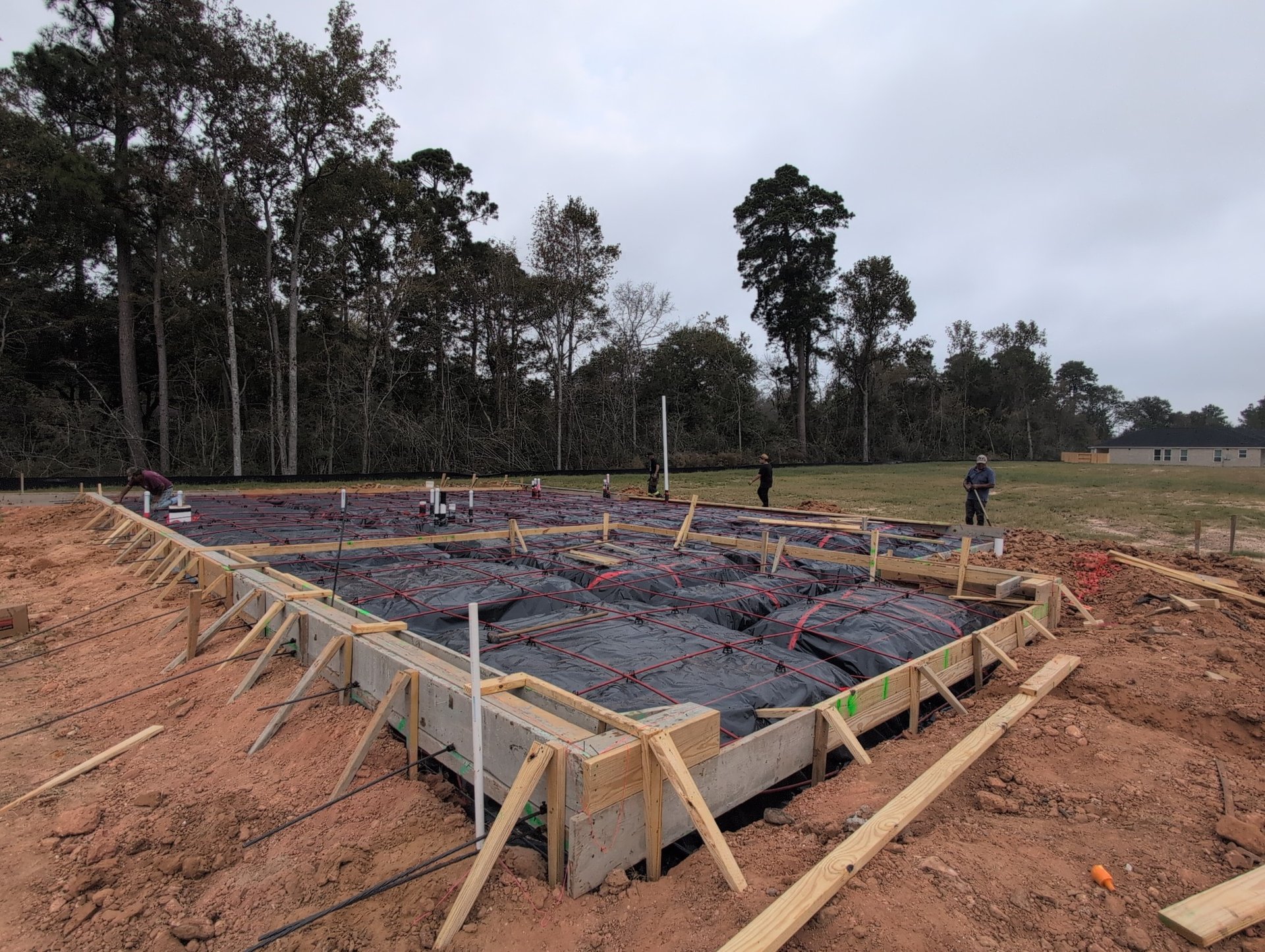
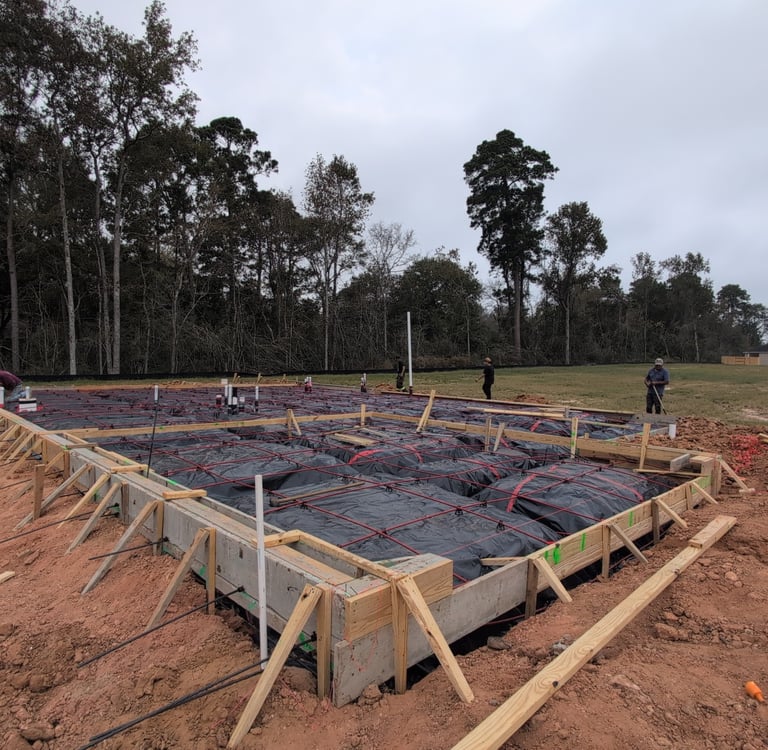
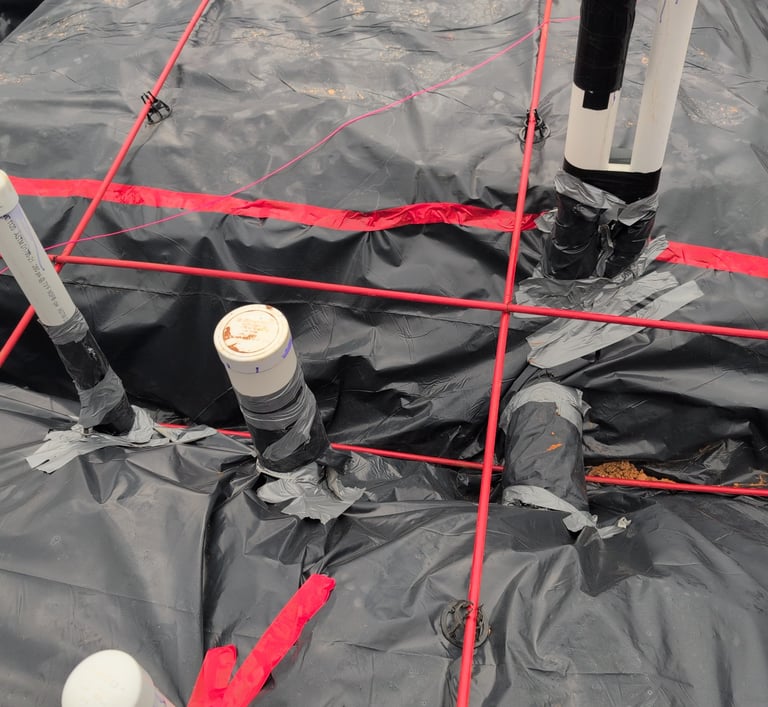
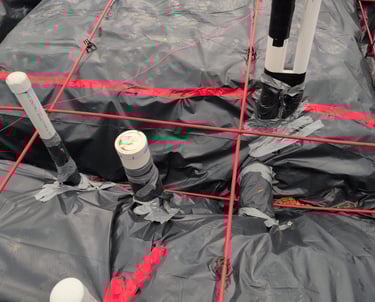
In new home construction, I can understand why the pre-pour inspection is overlooked. At a glance, there’s not much to see. Just some form boards surrounding a big hole in the ground with some cables and pipes in it. There’s even less to see once it’s poured, a grey slab with PVC pipes jutting out in random places. It doesn’t look too interesting or complex.
On the other hand, once the frame starts going up, there’s something to see. It's a puzzle of lumber and planks, criss-crossed with pipes and ducts and wires. It looks ordered and complicated, and you’d naturally want to have an inspector come and make sense of it all for you. But I could certainly make the case that the foundation pre-pour inspection is even more necessary.
What Could Go Wrong?
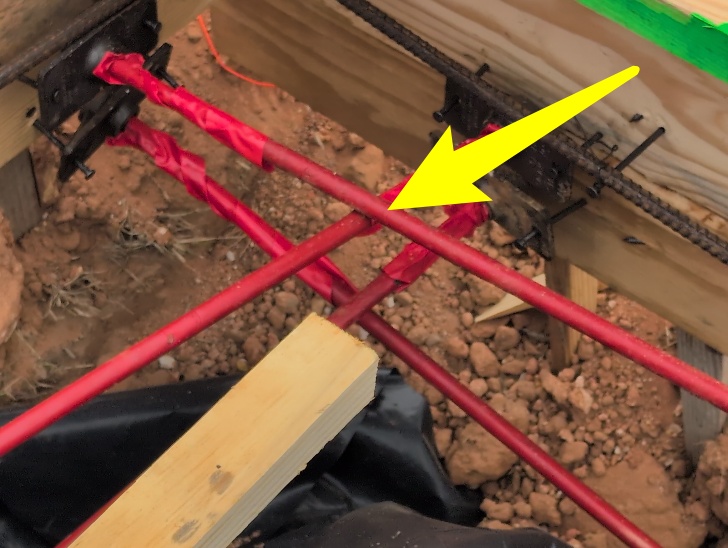
Let’s walk through the worst-case scenario and imagine that the inspection isn’t done and an issue is missed. Well, say that some of the post-tension cables were in contact with the plumbing and it’s broken inside the slab, but it doesn’t become apparent until a year down the road. The drains have been slow, and now they’re constantly backing up. You have the plumber come out, and he scopes the line and finds the break. One of two things will happen.
They will jack a hole in your slab to repair the break, at which time they will likely nick the post-tension cable, which will need to be repaired by another contractor, and then you’ll need to hire an engineer to sign off on it before the slab is repaired. You’re not done yet; you still have to replace the flooring.
Option two isn’t much better. If the break can be accessed from underneath, they may opt to tunnel under the house. This will still involve some chipping and risk of cable damage, but at least your flooring escapes unscathed. Personally, I have reservations about disturbing so much of the soil the house is resting on and what effect it could have on the foundation down the road.
Foundation Repairs Aren't Fun
The point is this: once the concrete is in place, it’s meant to be permanent. It’s why anything involving repairs in or under the foundation is so expensive. Foundation repairs for a 3,000 square foot house range between $6,000 and $21,000. By comparison, any other issue with your home can be accessed and repaired with relative ease. Sure, cutting holes in the ceilings or walls isn’t ideal, but it’s nothing compared to jackhammers chipping up your slab or backhoes digging up your yard.
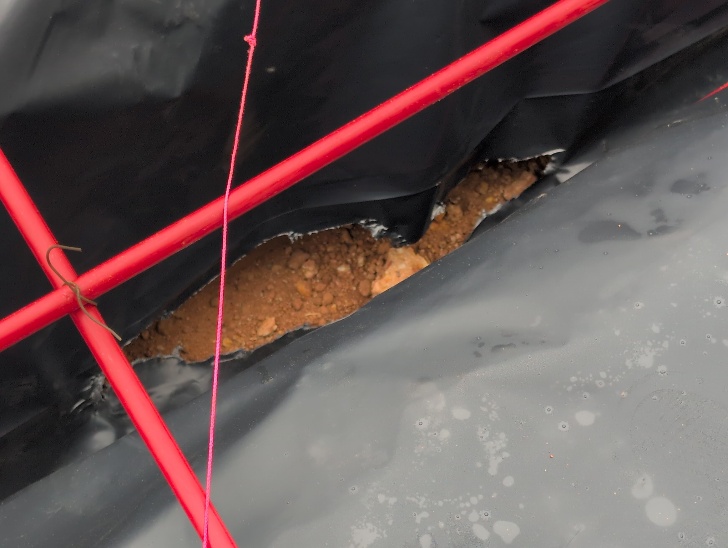
Look at it as a simple cost-benefit analysis; for a few hundred dollars, you can potentially prevent needing to spend thousands down the road. Our inspection will check to make sure that the necessary preparation has been made at the site to prepare it for the pour. We’ll even check the forms to verify that they are all level. Getting your foundation checked before pouring the concrete may very well be the most important inspection you can have performed on your new home. Building a home tends to be a stressful process, and getting your phase inspections is an investment in your peace of mind.
Contacts
chris@beasleyinspections.com
Socials
Book your inspection today!
(936) 827-6128
TREC#23467
TPCL#0936411
MAT#1433
903 Christi Lyn Lane
Conroe, Texas 77304